
There’s something about this time of year that invites us to notice contrasts: light and dark, rest and movement, contraction and expansion. This practice grew out of a simple walk where I found myself playing with opposites.
I first recorded it back in the autumn (in the Northern Hemisphere), intending it to be my November practice invitation. Then COVID swept through my life again, and by the time I recovered, I felt the pull of winter asking me to slow down, so I chose to honour that, to rest rather than produce.
As we move towards spring, with Imbolc just around the corner, I find myself returning to this practice.
If you’re anything like me, you might be sensing the first stirrings of spring: the curiosity about what is growing in me, a wish to emerge. And, at the same time, there’s an unwillingness to leave the den fully, especially in a world that can feel increasingly harsh. But this practice reminds me I do not have to choose one or the other, I can move between.
Here are the notes from the recording: if you are unable to watch it right now…
The trees stand bare now, stripped of their leaves. There’s a kind of loss in that emptiness, a reminder of winter’s dormancy. And yet life was everywhere: blackbirds, robins, wrens, even a little treecreeper crossing my path—perhaps more visible without the shelter of leaves. Loss and presence, absence and abundance, held together in the same moment.
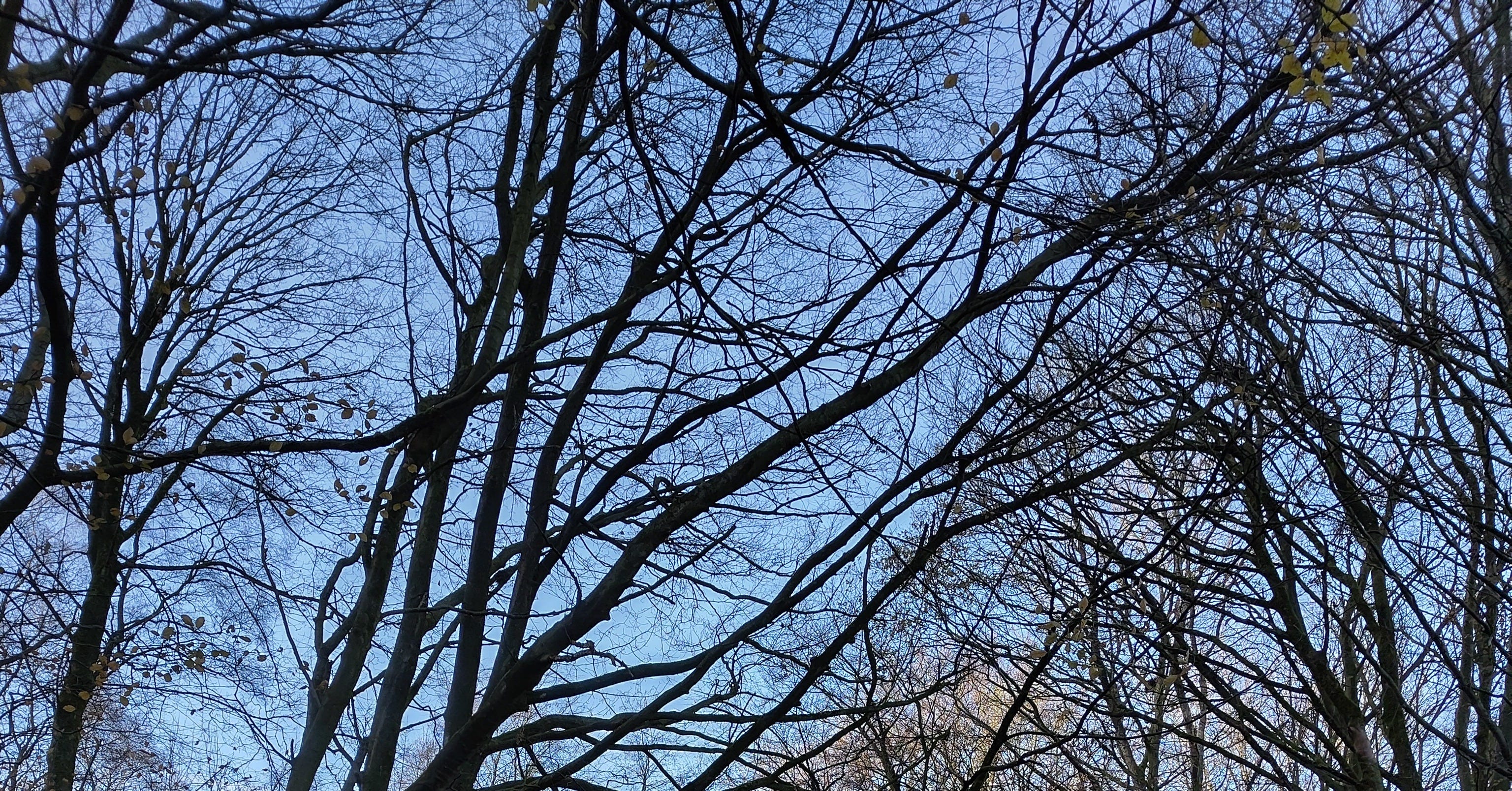
I began to play with pace. Moving very slowly, noticing each step, each sound, each detail. Then shifting into a fast stomp, before slowing again. Each change brought something different in my body, in my thoughts.
It reminded me how often we think in polarities, either/or, one thing or another. But perhaps both can exist together. I notice this most in grief and joy: how deeply they intertwine. The more I allow grief to move through me, the more capacity I have for joy. Glimmers of beauty appear even when my heart aches for all we are losing.
So today’s invitation is simple: play with polarities. Move between two states and notice what happens.
You might experiment with your gaze. Screens often narrow our attention to a single point. Instead, soften your eyes. Let your vision widen to take in the horizon, the room, the sky. Feel what it’s like to let everything wash over you without focusing. Then, if you wish, zoom in again, perhaps on a single leaf, its colour, the way the light touches it. Let yourself be absorbed in the detail, then relax back into the wider view.
These shifts, between near and far, slow and fast, grief and joy, can be grounding. They create movement where things feel stuck. They open space for new perspectives. Sometimes, simply changing how we look or move is enough to bring us back into the moment.
This is also where pendulation comes in, a gentle oscillation between activation and ease, intensity and safety. It’s a practice often used in trauma work, and it can help when we feel overwhelmed or frozen. We can move towards just as far as feels manageable and then move away again, knowing that on another day we might go a little further when that feels okay.
As Irene Lyon writes, “Pendulation can be thought of as surfing the waves of one’s nervous system, oscillating between states of expansion and contraction, over and over.”
In trauma work, it’s a careful balance, finding your way without flooding the system by swinging too far too fast, and gently teaching the body that it is safe again.
But pendulation can also be a useful tool for any of us who feel stuck. I find I use it quite a lot to navigate the news these days. It can be so overwhelming that I freeze like a rabbit in the headlights, but that helps no one. So I consciously step away, move toward something comforting. Not to lessen or deny what’s happening, but so I can respond with care rather than stuckness and fear.
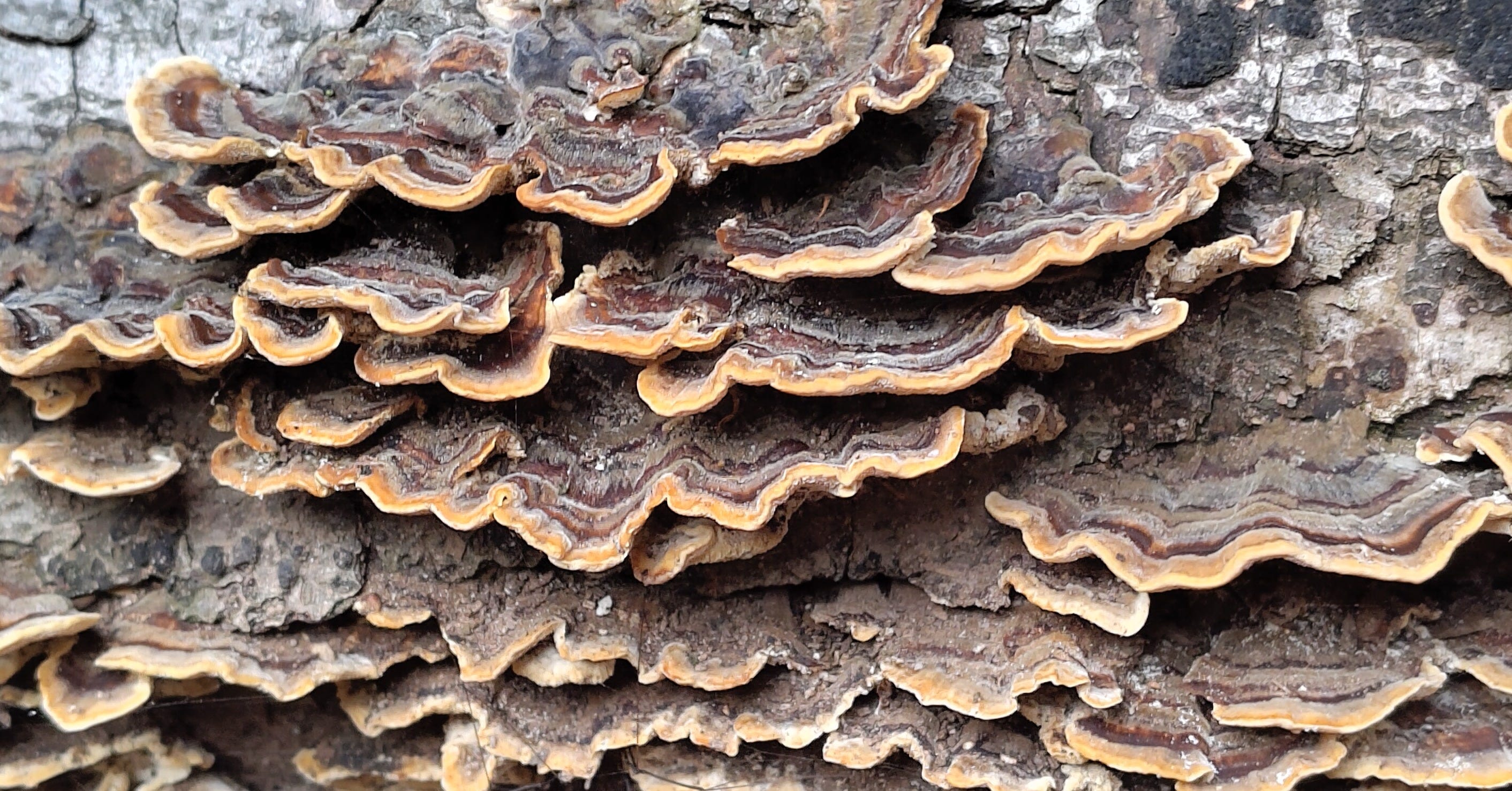
May this practice meet you where you are. Between winter and spring? Between holding on and letting go? May it offer a little movement where things feel stuck, and a little spaciousness where things feel tight.
As you explore these opposites, go gently. Move only as far as feels manageable, and return whenever you need to. This is a practice of choice, not endurance. If you feel called, share what you discover—I always love hearing how these invitations land in different bodies.
And as always
While I am a therapist, this is not therapy, though you may perhaps find some of the nature connection prompts I share therapeutic; I certainly did. I am not the expert here; you and your body are always the experts on you. I am also a human first, trying to figure out how to live well in this world and unsure of much of this journey just as you are.
My prompts and writing are designed to encourage curiosity, but it is always possible big feelings may come up. I have done a lot of crying in the woods too. Be your own guide on what feels okay and what doesn’t, and if something starts to feel too overwhelming, it’s okay to step away.
It can be really grounding to engage with nature, but it may also bring you back to your body and closer to big feelings which we may have been keeping at bay. This can be helpful, but may also need managing with care. You may wish to seek professional support for deeper developmental work, especially if you have a history of trauma or are carrying deep emotional wounds.
Take care of yourself and go gently. If something doesn’t feel right, stop and rest or do something you find soothing, rather than pushing through. Remember, we are all unique beings with different experiences, so there is no right way. Nature does not need you to go any faster than feels right in your body.


